Lao Tones
Different dialects of different regions of Laos create varying tones in the Lao language. But, generally there are about 5–6 tones.
The commonly taught dialect is the central or Vientiane dialect. The dialect used throughout Wow Speak Lao is reflective of the six tone version of the central dialect. The tones are: low, mid, high, rising, high-falling, and low-falling.
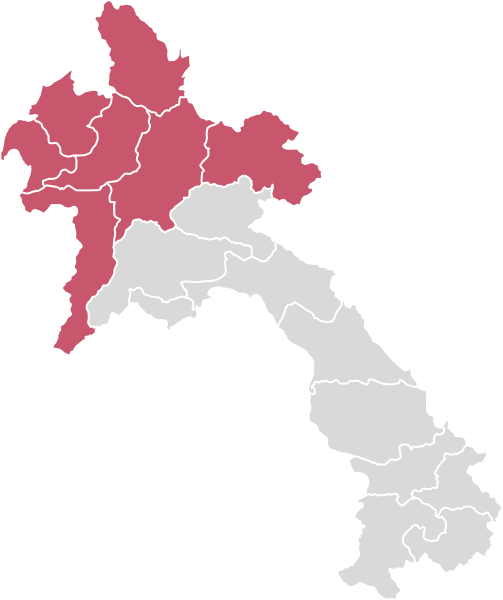
Northern
The northern region of Laos includes these provinces: Bokeo, Luang Namtha, Phongsaly, Saiyabouli, Oudomxay, Luang Prabang, and Houaphanh.
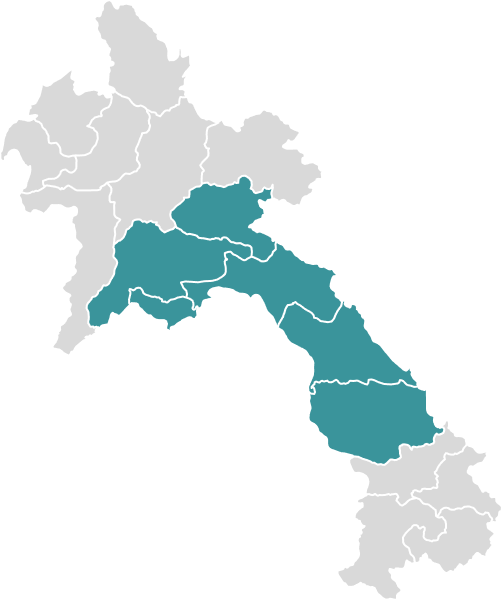
Central
The central region of Laos includes these provinces: Vientiane, Xiengkhuang, Bolikhamxay, Khammuane, and Savannakhet.
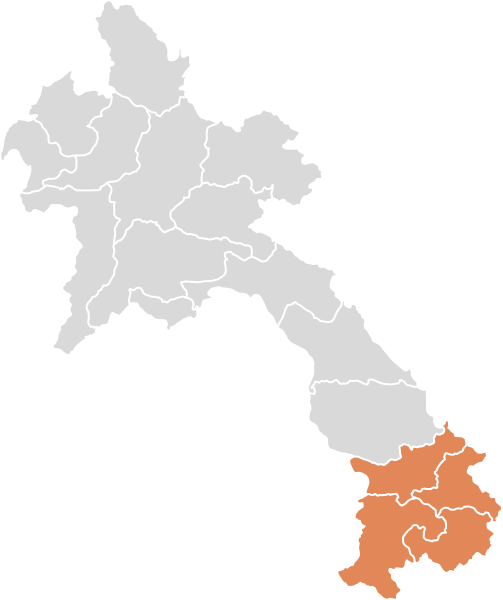
Southern
The southern region of Laos includes these provinces: Salavan, Champasak, Xekong, and Attapeu.
Dialects
As in any place in the world, the way of speaking in each region of Laos is influenced by the different ethnicities and history of that geographic location.
The difference in tonal systems between regions is most easily noticeable when analyzing the resulting tone of a syllable that ends with a long vowel or sonorant final consonant. Below are simple visuals to show the differences in dialects.
Northern
ຂໍ
ກໍ
ຄໍ
Central
ຂໍ
ກໍ
ຄໍ
Southern
ຂໍ
ກໍ
ຄໍ
Standards for Modern Lao
Due to historical movements of Lao people towards the center of the country, the central dialect is often labelled as the transitional dialect and it is what is taught as the standard. But as people move all around for various reasons, the dialect changes depending on an individual’s history despite the regional location.
Tips for Identifying Tones
These steps can be helpful when reading Lao, but can also help when speaking if you know how a word is spelled in Lao. Again, these tones follow the six tone version of the central dialect.
- Figure out which class the first consonant belongs to: Middle, Low, or High.
- Determine if the vowel is short or long.
- If the syllable ends in a vowel (open) and no mark, find the tone and you’re finished. If the syllable ends with a final consonant (closed), then determine if the syllable ends with a sonorant or stop final consonant.
- Determine if the syllable has a tone mark (if the syllable has a Mai Ek, then this can be the first step and you’re done).
A syllable that is Live has a sound that is drawn out a little longer — typically a syllable ending with a long vowel or a sonorant final ending. A syllable that is Dead has a sound that is abruptly stopped — typically a syllable ending with a short vowel or an unreleased stop final ending (a syllable with either a short or long vowel and unreleased stop final ending is a dead syllable).
Consonant Class
Live
Dead—Long
Dead—Short
◌່
◌້
Syllable ends with a long vowel, or a long vowel + sonorant ending
(ງ ນ ມ ຍ ງ)
Syllable ends with a long vowel + unreleased stop ending
(ກ ດ ບ)
Syllable ends with a short vowel, or a short vowel + unreleased stop ending
(ກ ດ ບ)
Middle
ກ ຈ ດ ຕ ບ ປ ຢ ອ
Low
Low Falling
High
Mid
High Falling
Low
ຄ ງ ຊ ຍ ທ ນ ພ ຟ ມ ຣ ລ ວ ຮ
High
High Falling
Mid
Mid
High Falling
High
ຂ ສ ຖ ຜ ຝ ຫ ຫງ ຫຍ ໜ ໝ ຫວ ຫຼ
Rising
Low Falling
High
Mid
Low Falling
Tips on Lao Tones
- A syllable with a mai ek tone mark will always result in a mid tone.
- A syllable with a mai toh tone mark will always result in some form of a falling tone.
- A syllable with a long vowel and unreleased stop final consonant will also result in a some form of a falling tone.
- Middle class consonants are easy to identify, as they do not share a sound with another consonant from another class. Syllables with a middle class consonant a long vowel or ending with a sonorant final are the only syllables that produce low tones.
Tone Marks
There are technically four tone marks, but only two are frequently in use — ໄມ້ເອກ [mai-ehk] and ໄມ້ໂທ [mai-toh]. The other two are very rarely used.
Always results in a middle tone.
Always results in some form of a falling tone.